Day 3: The Passover Lamb — Exodus 12
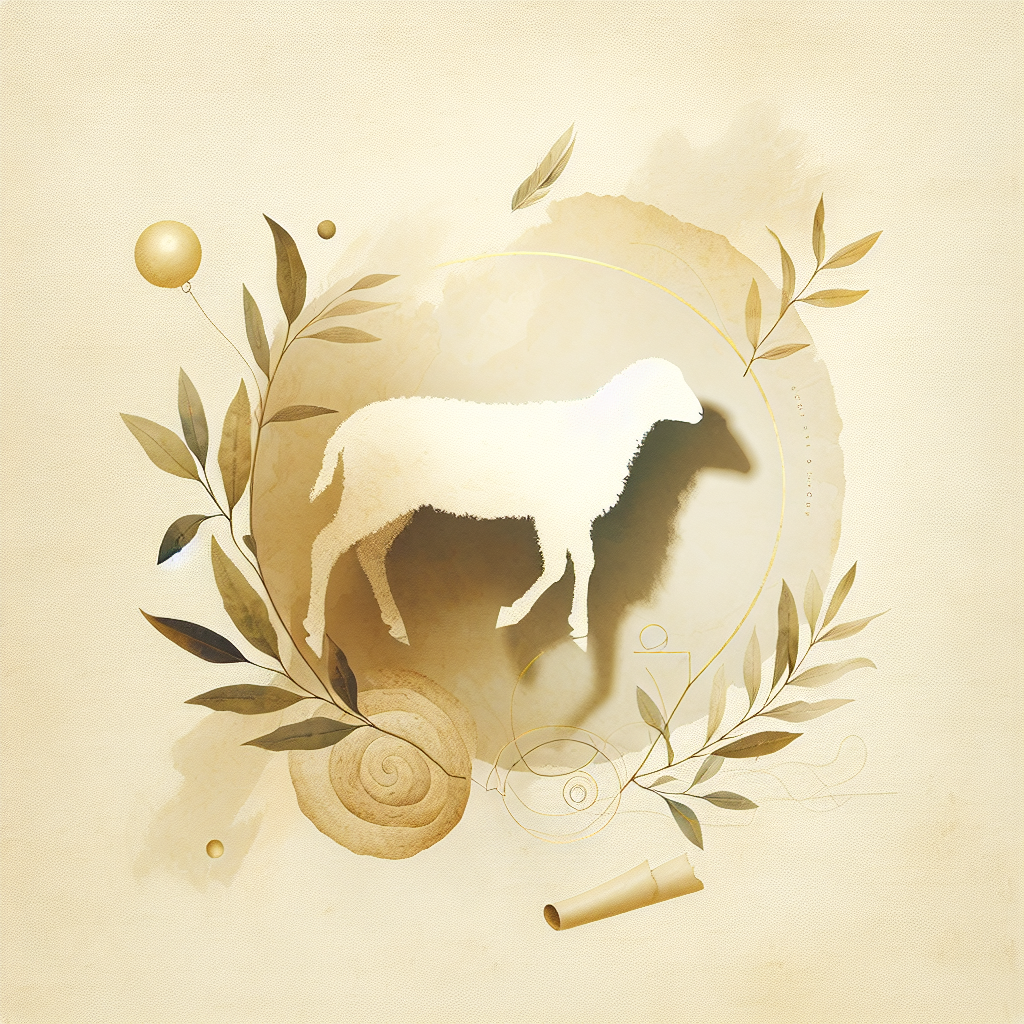
Welcome to Day 3 of our Lent series, "From Promise to Resurrection." Today, we reflect on a pivotal moment in the Bible: the institution of the Passover in Exodus 12. This ancient practice not only shaped the identity of Israel but also foreshadows the redemptive work of Christ, our Passover Lamb.
Exodus 12 details the original Passover during the last of the ten plagues on Egypt, where the Israelites were instructed to mark their doorposts with the blood of a lamb. This act was a sign of their faith and obedience, sparing their firstborn from the angel of death. The chapter sets a pattern of deliverance and redemption that resonates through Scripture.
Key Elements of the Passover
- Lamb Selection: Each household was to choose a lamb without blemish. Status: Fulfilled in Christ, who is described as the "Lamb without blemish or defect" (1 Peter 1:19).
- Blood as Protection: The blood of the lamb was applied to the doorposts, signifying salvation and protection. Status: Fulfilled by Christ's sacrificial death, offering protection from eternal death.
- Unleavened Bread: This bread, made without yeast, was eaten during Passover. Status: Symbolizes a life free from sin, an ongoing practice in the Christian life.
- Bitter Herbs: Eaten as a reminder of the bitterness of slavery. Status: Continues to remind believers of the harshness of sin and the sweetness of salvation.
The Passover is rich with symbolism, each element pointing to the coming Messiah. Jesus, often called our Passover Lamb, fulfills these symbols in a profound way. His death coincides with Passover, marking Him as the ultimate sacrifice that brings about eternal deliverance.
In John's Gospel, Jesus' sacrificial role is highlighted as He is crucified at the time when the Passover lambs are being slaughtered. This timing is crucial and intentional, illustrating Jesus as the true Lamb whose blood marks the doors of our hearts, sparing us from spiritual death.
As we observe Lent, reflecting on Jesus as our Passover Lamb invites us to consider the depth of His sacrifice and the freedom it brings. Exodus 12 is not just a historical account; it is a chapter that echoes through time, finding its fulfillment in Jesus and ongoing significance in our lives today.
May this reflection deepen our appreciation for Christ's sacrifice and reinforce our faith in Him as our protector and redeemer. As we journey from promise to resurrection, let us hold fast to the hope that is ours in Jesus, the Lamb who was slain, yet lives forevermore.